Is blood thicker than belonging?
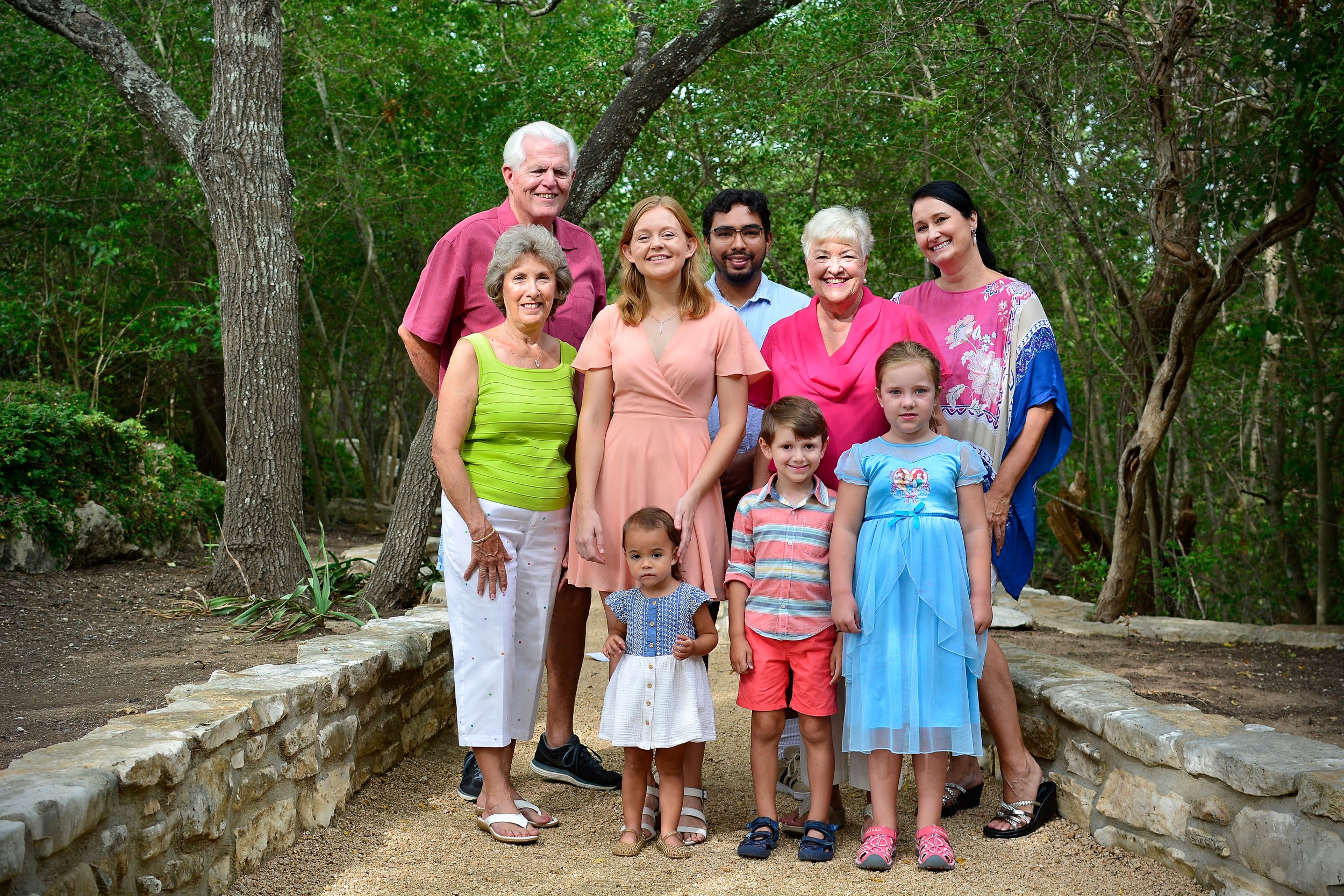
They say blood is thicker than water—but are we overvaluing biological family relationships?
We’re taught that biological family bonds should outweigh all others, that family is the bond that can never be broken.
But is genetic connection really what makes a close family?
I was raised in a home with an alcoholic parent, where life was unpredictable, and a brother—my only sibling—who was cold and distant.
I didn’t feel loved or accepted.
I remember wondering what I had done to deserve their rejection.
I had bought into the fairy tale that biological families are naturally loving, supportive, and emotionally available.
And when mine wasn’t, it left a deep hole in my soul.
I’m not the only one.
Approximately 16% of American adults are estranged from a parent, and 24% are estranged from a sibling. That’s roughly 67 million people in the U.S. estranged from at least one close family member.
Sharing genetics, it turns out, isn’t the golden ticket to a happy family life.
Thankfully, I did have a mother who embodied the true definition of family. She wasn’t, but she gave me unconditional love and acceptance.
As I began to heal, I realized I needed to broaden my definition of family.
Family became about how we show up for one another, not a connection etched on a family tree.
When I decided to become a mother, my definition evolved again.
Due to my age, I wasn’t going to have genetically related children. And that old question resurfaced:
Would our bond be as strong without the same genetics?
It was a familiar cultural myth rearing its ugly head.
I quickly answered it for myself:
No—my children would be every bit mine, even without shared DNA.
I sometimes wonder if clinging to the idea that genetic connection is the gold standard for a beautiful family actually prevents some of us from finding the people who truly feed our souls.
Along the way, extraordinary people entered my life who became family.
The childless next-door neighbors who stepped in when my babies were fighting for survival in the NICU. They were the first people to hold my daughter and later my son. They became godparents and spent every weekend and holiday with us until they passed a few years ago.
They were my family.
And then there’s the eighteen-year-old nanny who showed up at my front door and brought faith back into my life after several losses. We bonded over shared values and heartfelt presence, and we promised to be there for each other.
We are now godparents to each other’s children.
This is my family—the family that love built, not biology.
I still admire (and sometimes envy) those born into healthy, loving families. You truly won the lottery.
But for those of us who weren’t, we get to create our own tribe—one that heals our hearts and enriches our lives beyond measure.
If you’re carrying pain from wounds inflicted by your biological family, know this:
There is beauty beyond the bounds of biology.
May you find yours.
How do you define family?
