Embryos are being created from human skin cells
The science could be a real game-changer for fertility and beyond
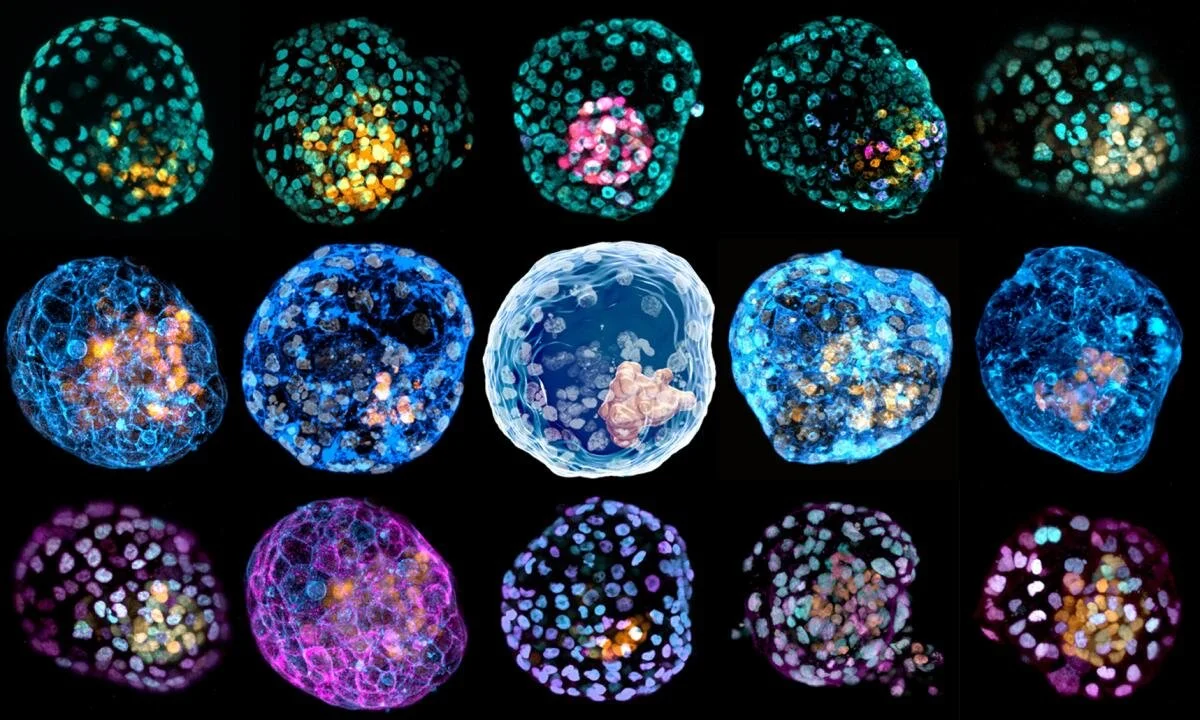
Are viable human embryos really be created from human skin cells? 𝘕𝘰𝘵 𝘺𝘦𝘵—but the science could be a game-changer.
If you’ve seen recent headlines, you may have noticed a surge of excitement (and concern) about new research in reproductive embryology at Oregon Health & Science University.
Researchers have successfully transformed human skin cells into egg-like cells and fertilized them with sperm to create very early human embryos in a lab setting.
This naturally raises big questions:
𝘈𝘳𝘦 𝘣𝘢𝘣𝘪𝘦𝘴 𝘣𝘦𝘪𝘯𝘨 𝘮𝘢𝘥𝘦 𝘧𝘳𝘰𝘮 𝘴𝘬𝘪𝘯 𝘤𝘦𝘭𝘭𝘴?
The reality is more nuanced than the headlines suggest.
Here’s my layman’s take on what’s actually happening.
Every cell in your body contains your full genetic blueprint. Skin cells, blood cells—even cheek cells—carry the same DNA that once built you from a single fertilized egg.
The difference? A skin cell only knows how to be a skin cell.
Here’s the breakthrough: researchers have learned how to “rewind” a mature skin cell into a flexible, early-stage cell called a pluripotent stem cell—one capable of becoming different cell types, including an egg-like reproductive cell.
However, this does not mean embryos are being created purely from skin cells.
While skin cells provide DNA, they lack critical components of a true human egg, including:
• Cytoplasm (the molecular signals that initiate development)
• Mitochondria (the energy source for early growth)
• Specialized cellular machinery needed for proper division and chromosome organization.
Because of this, a donor egg is still required. Scientists remove the donor egg’s nucleus and insert DNA derived from the skin cell, creating an egg capable of fertilization.
Importantly, these embryos are not being used to create babies. They are studied only in laboratory settings to better understand early human development.
While still early, this research holds extraordinary potential for our reproductive future.
If successful, it could:
• Reduce the pressure from women’s biological clocks and reliance on egg freezing
• Eliminate the need for donor eggs, along with their cost and complexity
• Enable same-sex couples to have children genetically related to BOTH partners
Beyond fertility, these innovations could have far-reaching implications for combating disease and slowing the aging process.
The same technology could be used to:
• Advance regenerative medicine and treatments for conditions such as organ failure (heart, liver, kidney, etc.)
• Treat degenerative diseases, such as Parkinson’s, Alzheimers, and muscular dystrophies
• Fight cancer and autoimmune diseases
• Slow the aging process
I recognize this research will raise ethical questions that need to be addressed.
But I’m excited about how this science is advancing and hopeful for the families and patients it may one day help.
What are your thoughts on these medical advancements?
