Gene editing: Medical miracle or Dr. Frankenstein?
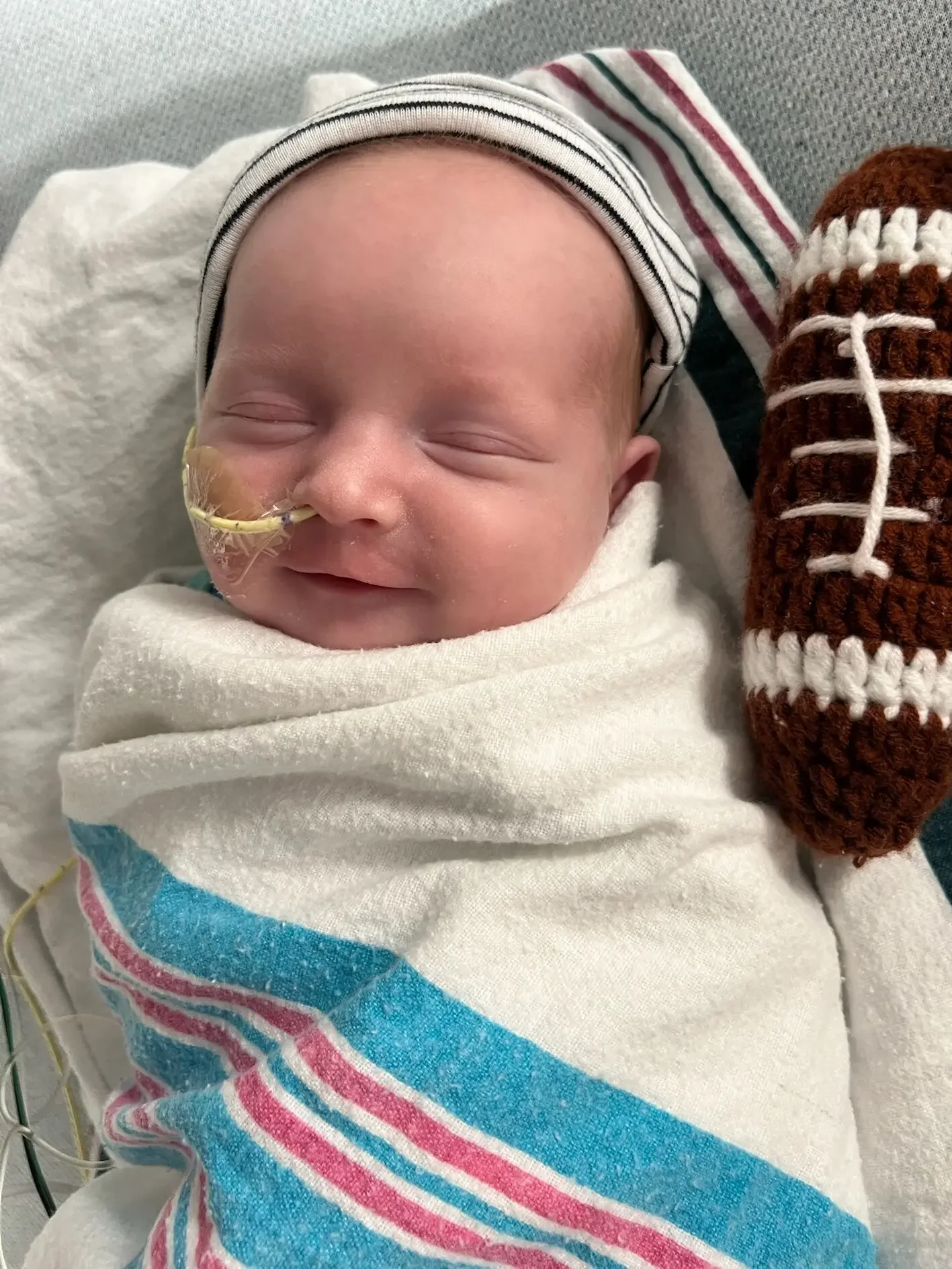
What if scientists could prevent genetic diseases from being passed down from parent to child? Would you see it as a medical breakthrough or something out of Dr. Frankenstein's lab?
Before you answer, what if it were your child's life on the line?
My son's actually was.
Brandon was born with a rare genetic disorder caused by an undiagnosed chromosomal defect passed down from my husband. We lost Brandon at just 19 days old.
So when I read about recent advances in gene editing, I don't approach them as an abstract ethical debate.
I approach them as a mother.
Two recent breakthroughs caught my attention.
Researchers like Dieter Egli at Columbia University have successfully edited the DNA of early human embryos with remarkable precision.
I also read the story about how the Children's Hospital of Philadelphia and the University of Pennsylvania used a customized gene-editing treatment to help save a baby boy named KJ.
KJ was born with a rare genetic disease, called CPS1 deficiency, a condition that can cause toxic levels of ammonia to build up in the body.
Half of all babies with this condition die in the first week of life.
His physician, Rebecca Ahrens-Nicklas, feared she would lose KJ. Refusing to give up, she reached out to Dr. Kiran Musunuru, a gene-editing researcher at the University of Pennsylvania to enlist his help.
Musunuru mobilized researchers from across the country to find a solution.
His parents agreed to an experimental treatment because it offered something they desperately needed:
Hope.
When treatment began, KJ was seven months old and at the 7th percentile for weight.
Today, he is growing, meeting developmental milestones, and doing things his family once feared might never be possible.
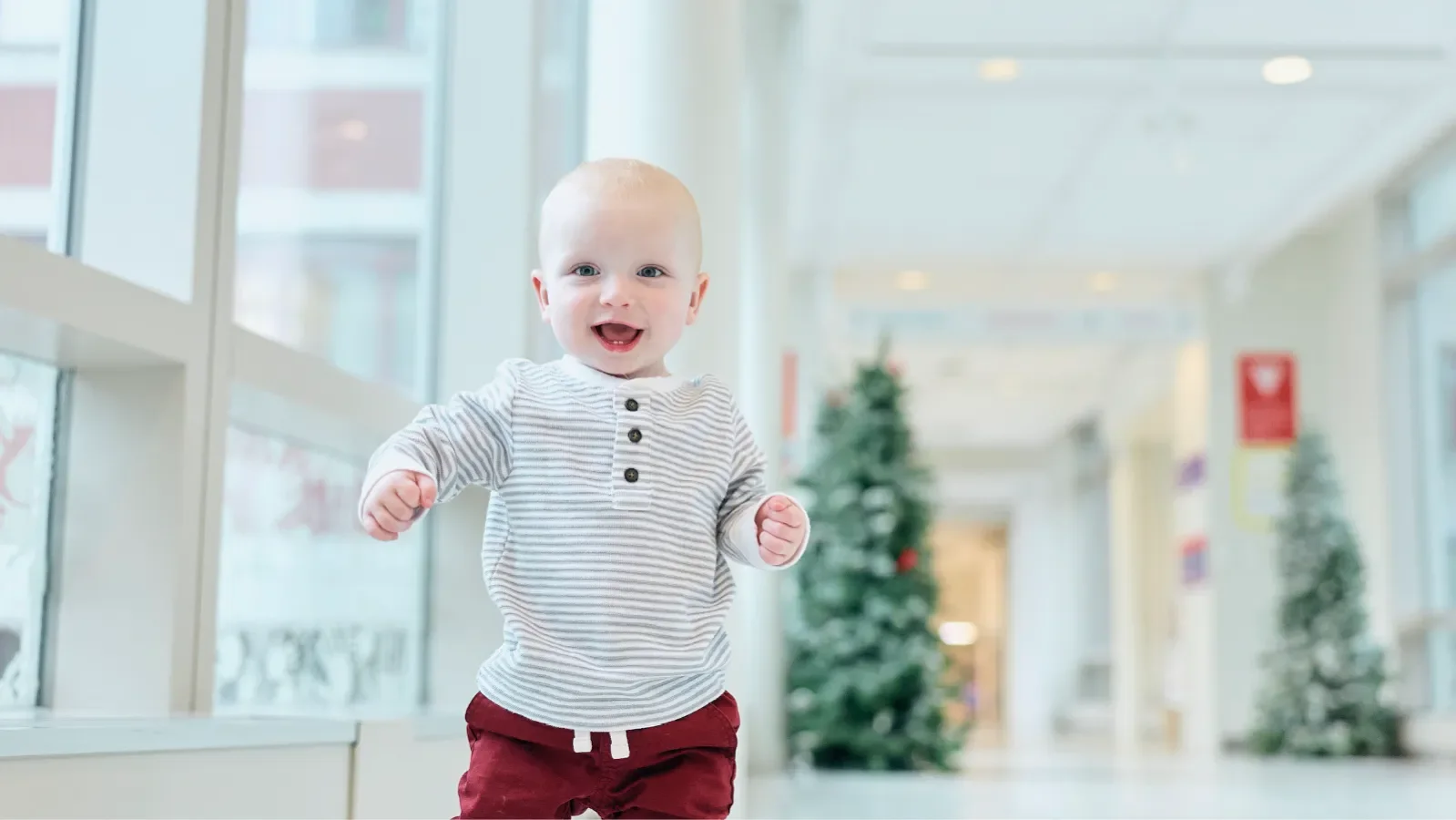
He can catch and throw a ball.
He plays with his siblings.
He's even learning to walk.
Stories like KJ's force us to confront difficult questions.
Could gene editing eliminate devastating diseases?
Could it spare families unimaginable heartbreak?
Could it save children who otherwise wouldn't survive?
Of course, these advances also raise important ethical concerns.
Where should we draw the line between treating disease and engineering human traits?
How do we ensure these technologies are used responsibly?
Those are conversations worth having.
But when I look at KJ, I can't help but think about Brandon.
I wonder whether this technology could have saved our son or the other six embryos we lost.
And I wonder how many families might be spared that grief in the future.
More than 30 million people in the U.S. have one of 7,000+ rare genetic diseases.
For me, gene editing isn't just about science.
It's about children.
It’s about giving doctors and parents options they never had before.
It’s about the light in KJ’s eyes.
If gene editing could save your child from a devastating genetic disease, would you embrace it?
And where should we draw the line?
#geneediting
#savingbabies
#curinggeneticdiseases
