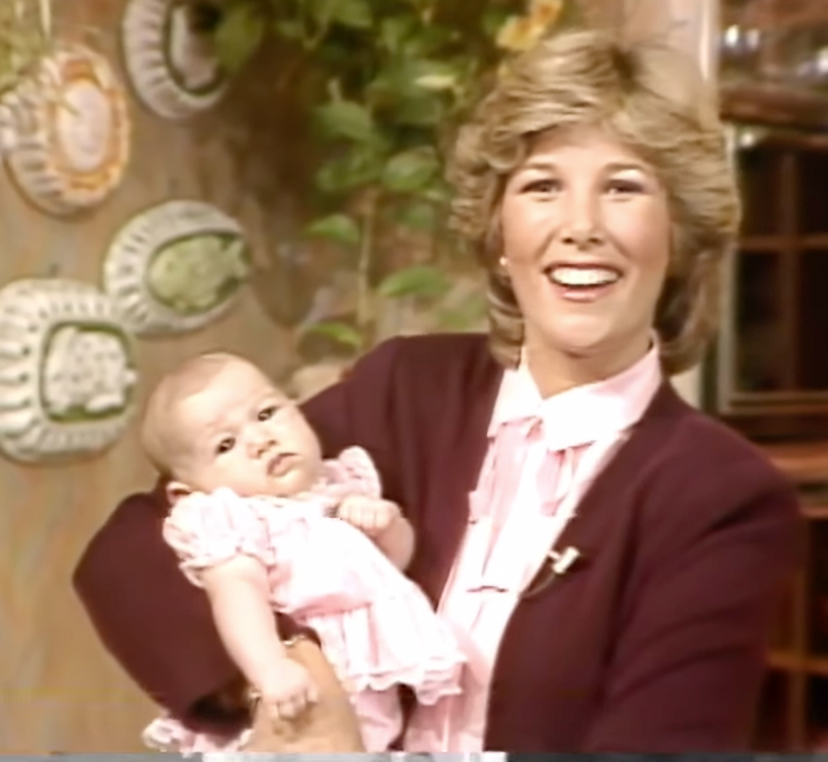
Joan Lunden’s first day on GMA, August 1980
On the heels of International Women’s Day, I need to say this. Yes, we’ve made progress in women’s equality over the last 50 years…but not nearly enough.
Last week, I watched an interview with Joan Lunden on 𝘎𝘰𝘰𝘥 𝘔𝘰𝘳𝘯𝘪𝘯𝘨 𝘈𝘮𝘦𝘳𝘪𝘤𝘢 discussing her new book. Joan hosted GMA for 17 years from 1980 to 1997, making her one of the longest-running and most recognizable morning TV anchors of her time.
During the interview, they showed a photo of Joan arriving for her first day of work with her 7-week-old daughter, Jamie, in her arms. The image was meant to represent how progressive the workplace was becoming for mothers.
That photo was taken almost 46 years ago.
𝗦𝗼𝗺𝗲𝘄𝗵𝗲𝗿𝗲 𝗮𝗹𝗼𝗻𝗴 𝘁𝗵𝗲 𝘄𝗮𝘆, 𝗼𝘂𝗿 𝗽𝗿𝗼𝗴𝗿𝗲𝘀𝘀 𝘀𝘁𝗮𝗹𝗹𝗲𝗱.
Nearly five decades later, women still do not have an equal seat at the business table. And when we decide to become mothers, the workplace often provides little structural support.
The statistics tell the story.
• Women still earn 81–83 cents for every dollar earned by men
• Women represent 47% of the U.S. workforce, yet hold only about 30% of senior leadership roles
• Only 10–11% of Fortune 500 CEO positions
𝗧𝗵𝗲 𝗳𝗶𝗻𝗮𝗻𝗰𝗶𝗮𝗹 𝗽𝗶𝗰𝘁𝘂𝗿𝗲 𝗶𝘀 𝗲𝘃𝗲𝗻 𝘄𝗼𝗿𝘀𝗲 𝗳𝗼𝗿 𝗻𝗲𝘄 𝗺𝗼𝘁𝗵𝗲𝗿𝘀.
• 1 in 4 women leave the workforce in the first year after having a child
• 73% of private-sector workers take maternity leave without pay
• 25% of women return to work within two weeks of giving birth because their families cannot afford unpaid leave
In fact, the United States remains the only wealthy nation without guaranteed national paid maternity leave.
𝗔𝗻𝗱 𝘁𝗵𝗲 𝗲𝗰𝗼𝗻𝗼𝗺𝗶𝗰 𝗶𝗺𝗽𝗮𝗰𝘁 𝗶𝘀 𝗼𝗳𝘁𝗲𝗻 𝗹𝗼𝗻𝗴-𝘁𝗲𝗿𝗺.
After returning to work, mothers experience a lasting earnings gap.
Working mothers earn 62–74 cents for every dollar earned by fathers, amounting to roughly $500,000 in lost income over a career.
Additionally, when factoring in missed retirement contributions, lower investment growth, and reduced Social Security benefits, women’s retirement losses can exceed $400,000.
Unlike the ideal that Joan Lunden’s picture suggests, most mothers who stay in the workforce lack the logistical support needed to succeed.
• Only 6% of U.S. employers offer on-site childcare
• Fewer than 13% offer childcare benefits, despite childcare costs exceeding the price of in-state college tuition in many parts of the country
• Nearly 90% of single parents (predominantly women) say lack of flexible work arrangements is a major barrier to employment.
During the pandemic, remote work temporarily eased some of these pressures. But as companies pushed employees back to the office, mandatory return-to-office policies rose to 24% in 2025, leading to 𝘁𝗵𝗿𝗲𝗲 𝘁𝗶𝗺𝗲𝘀 𝗵𝗶𝗴𝗵𝗲𝗿 𝗳𝗲𝗺𝗮𝗹𝗲 𝘁𝘂𝗿𝗻𝗼𝘃𝗲𝗿 𝗰𝗼𝗺𝗽𝗮𝗿𝗲𝗱 𝘁𝗼 𝗺𝗲𝗻.
𝗦𝗼 𝗜 𝗵𝗮𝘃𝗲 𝘁𝗼 𝗮𝘀𝗸: 𝗪𝗵𝘆 𝗵𝗮𝘃𝗲𝗻’𝘁 𝘄𝗲 𝗺𝗮𝗱𝗲 𝗺𝗼𝗿𝗲 𝗽𝗿𝗼𝗴𝗿𝗲𝘀𝘀 𝗶𝗻 𝗻𝗲𝗮𝗿𝗹𝘆 𝟱𝟬 𝘆𝗲𝗮𝗿𝘀?
I think we need a new rallying cry to our employers for the next half-century:
𝗜𝗳 𝘆𝗼𝘂 𝘁𝗿𝘂𝗹𝘆 𝘃𝗮𝗹𝘂𝗲 𝗼𝘂𝗿 𝘁𝗮𝗹𝗲𝗻𝘁 𝗮𝗻𝗱 𝗹𝗲𝗮𝗱𝗲𝗿𝘀𝗵𝗶𝗽, 𝘁𝗵𝗲𝗻 𝘀𝘂𝗽𝗽𝗼𝗿𝘁 𝗼𝘂𝗿 𝗱𝗲𝘀𝗶𝗿𝗲 𝘁𝗼 𝗯𝗲 𝗺𝗼𝘁𝗵𝗲𝗿𝘀. 𝗗𝗼𝗻’𝘁 𝗺𝗮𝗸𝗲 𝘂𝘀 𝗰𝗵𝗼𝗼𝘀𝗲.
