The first IVF baby
Saturday was #WorldIVFDay. It commemorates the 48th birthday of Louise Joy Brown, the first baby born through in vitro fertilization (IVF).
Louise's mother had blocked fallopian tubes, making natural conception impossible.
This breakthrough came after more than a decade of research, countless disappointments, and extraordinary perseverance. Hundreds of treatment cycles were attempted before the first successful live birth.
Many of IVF pioneers Dr. Robert Edwards and Dr. Patrick Steptoe's peers believed it would never work. Critics accused them of "playing God" and warned that IVF would open the door to designer babies. Government funding was scarce because of the ethical controversy, forcing the researchers to rely largely on private support. Their work—and every setback—was scrutinized by the media.
When Louise Brown was born by cesarean section on July 25, 1978, she weighed 5 pounds, 12 ounces and was completely healthy. Her birth proved that embryos created outside the body could develop into healthy children, forever changing reproductive medicine.
The men were awarded the Nobel Prize in Physiology/Medicine in 2010.
Since then, more than 12 million babies worldwide have been born through IVF and other assisted reproductive technologies.
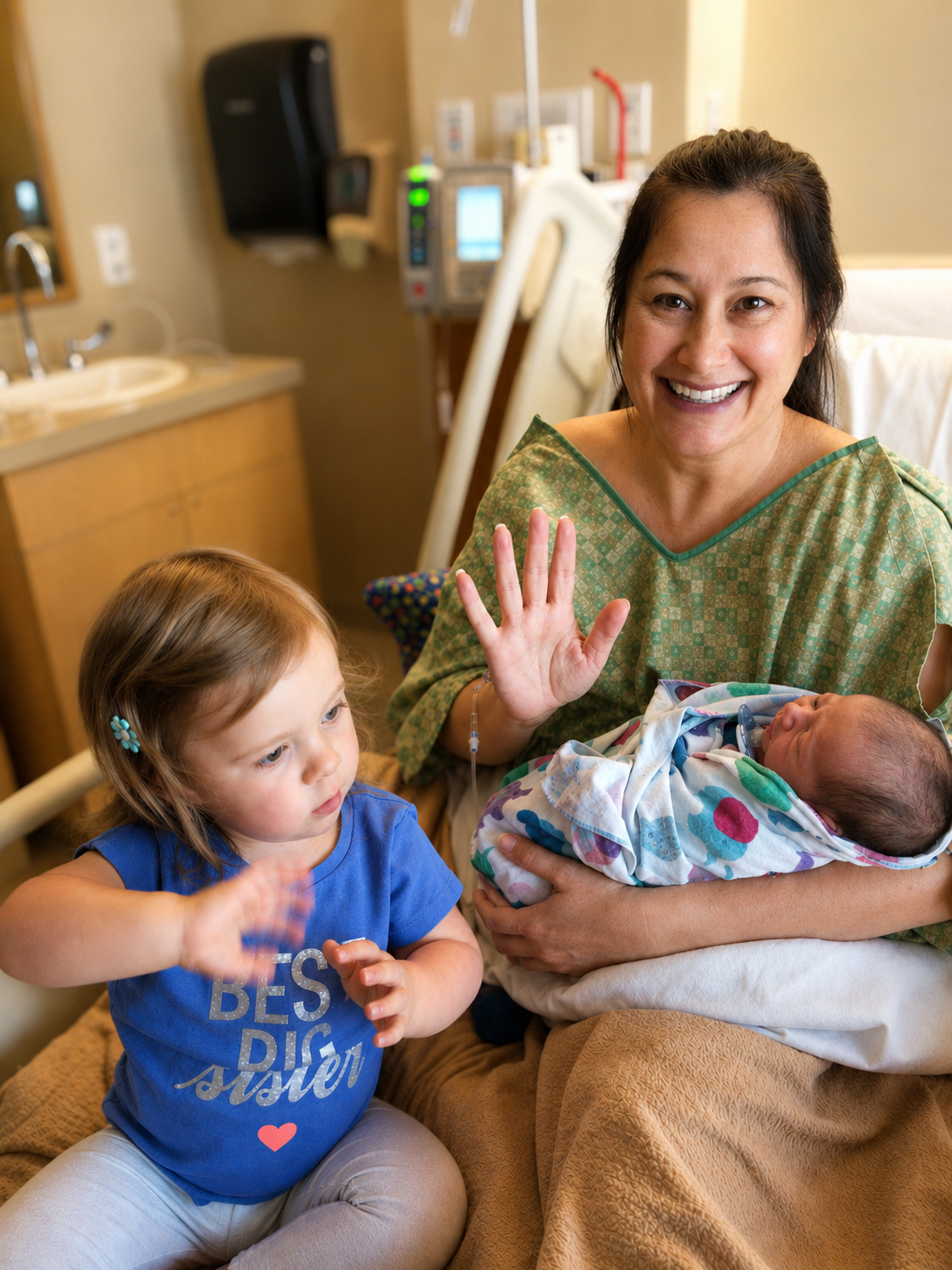
I cannot thank Dr. Edwards and Dr. Steptoe enough for their belief in extraordinary possibility. Because of them, I get to be a mother. I get to have a beautiful family. I have a life filled with purpose and love.
Behind every IVF treatment cycle is a story. A struggle. A wish for family.
World IVF Day isn't just a celebration of scientific innovation. It's a celebration of hope.
Today, 1 in 6 people worldwide experience infertility, yet IVF remains financially or geographically out of reach for millions.
As we celebrate how far we've come, we must also remember how far we still must go to ensure that everyone has an opportunity to build a beautiful family.
#WorldIVFDay
#makeIVFaccessible
