Americas birth rate just hit a historic low. Meanwhile, the fertility industry is booming. What the hell?
I couldn't help but see the irony of these two family-building trends happening at the same time.
Last week, the CDC reported that the U.S. fertility rate fell to a record low in 2025, with about 3.61 million babies born. Birth rates are declining among women under 30 while increasing among women in their 30s and 40s.
The shift toward later motherhood is unmistakable.
Meanwhile, the demand for assisted reproduction treatment is reaching record highs. For the first time, more than 100,000 babies were born through IVF in the U.S. in 2024. That's roughly one in every 36 babies. Nearly 450,000 IVF treatment cycles were reported that year.
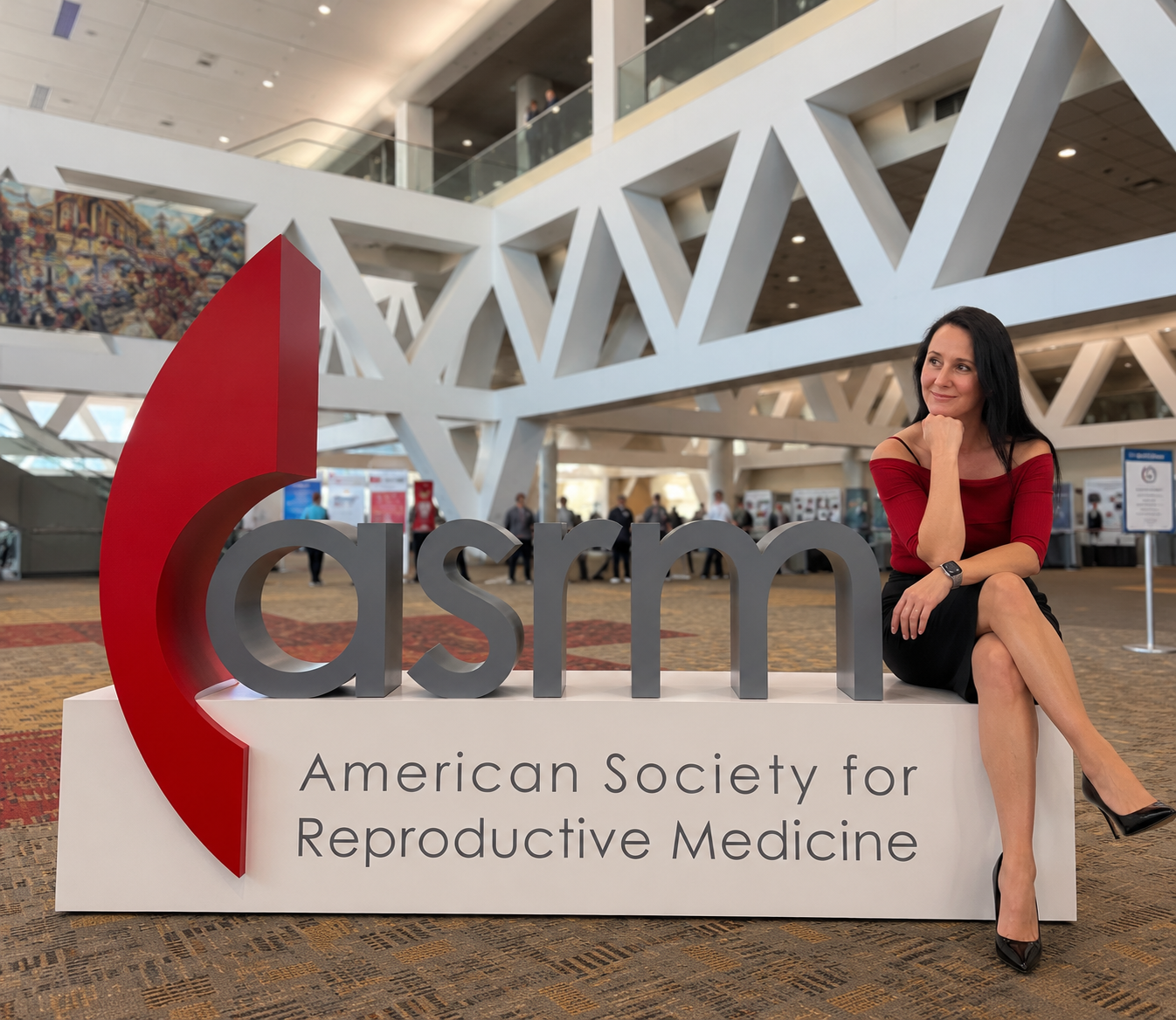
And the business of treating infertility is skyrocketing. The U.S. IVF market generated an estimated $5.9 billion in 2025 and is projected to reach $8.4 billion by 2033. This week, reproductive specialists and researchers are gathering at the American Society of Reproductive Medicine - ASRM 2026 Congress to share the latest advances in assisted reproduction.
As someone who spent nearly a decade struggling with infertility, I'm grateful for every one of those medical advances. The miracles of egg donation and IVF allowed me to give birth to my two children when I was 44 and 46 (2 weeks shy of my 47th birthday).
But I wonder…are we missing the forest for the trees?
Yes, science gave me the family I had dreamed of. But I often wonder how different my journey might have been if I'd understood my fertility timeline earlier.
Why are we investing billions in treating infertility while doing so little to educate young adults about their reproductive window and health before problems arise?
Think about it. We spend years preparing students for careers, financial independence, and professional success. Yet when it comes to reproductive health, we focus on pregnancy prevention and largely ignore teaching young people about informed, intentional family building.
If we look honestly in the mirror, we're leaving too many young people unprepared to make some of the most consequential decisions of their lives.
So while I celebrate the extraordinary progress happening in reproductive medicine, we should be investing far more in helping college students understand their fertility before they're facing a family-building crisis.
Next week, I'll be at the National Women's Studies Association Conference in Atlanta, speaking with higher-education leaders about how we can close this gap.
Because reproductive freedom isn't just about having access to treatment when something goes wrong. It's about having the knowledge to make informed decisions about your future family while you still have options.
For many, an ounce of prevention can save them from needing a pound of cure.
#asrm2026
#knowyourfertility
#fertilityeducation
